The Unpublished Ledger: Why Science Must Keep Its Failures in View
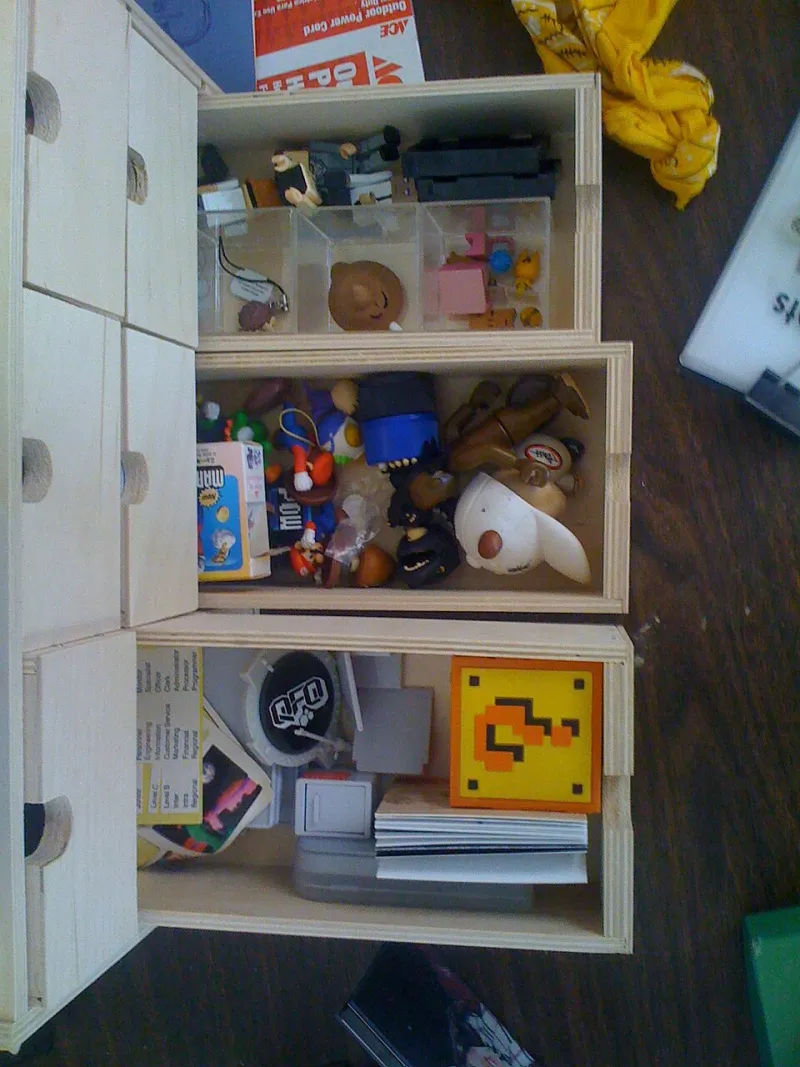
Photo: Ben Brown from Austin, TX, USA, CC BY-SA 2.0, via Wikimedia Commons
The file drawer is not a metaphor. In laboratories, clinics, and federal agencies across the United States, it is a real place where studies that found nothing, or found something inconvenient, are quietly set aside. The practice is old, ordinary, and corrosive. Science depends on a public ledger of inquiry, and a ledger with missing pages is not a ledger at all.
The Shape of the Missing Record
Publication bias has a long history, though it acquired its modern name only in the twentieth century. Journals have long preferred results that are novel, statistically significant, and easy to summarize. The term file drawer problem entered the methodological vocabulary in the late 1970s, but the underlying habit was already familiar to anyone who had tried to reconstruct a field from its published papers. What gets printed is not the whole of what was done.
The American case is instructive because the stakes are so often public. Consider the clinical trial literature on antidepressants. When researchers compared the trials registered with the Food and Drug Administration against the trials that appeared in journals, the published record looked more favorable than the regulatory record. Several studies with negative or equivocal findings had not been published, or had been presented in ways that muted their implications. The lesson was not that a particular drug was worthless. It was that the literature itself had been edited by incentives.
Psychology has faced a similar reckoning. Large-scale replication projects in the 2010s found that many celebrated effects were smaller than originally reported, and some did not replicate at all. The explanations are multiple, but publication and reporting practices are central. When only striking findings reach print, the published literature becomes a gallery of outliers rather than a map of the terrain.
Federal policy has moved, unevenly, toward correction. ClinicalTrials.gov now registers studies in advance, and federal law requires results reporting for many trials. The National Institutes of Health has tightened data-sharing and reporting expectations. Yet compliance remains incomplete, and registration is not the same as publication. A results table buried in a government database can still be effectively invisible to the clinician, the patient, or the graduate student trying to learn what has already been tried.
What a Null Result Contains
A null result is not nothing. It may indicate that an intervention does not work, which is valuable. It may indicate that the study was too small to detect a modest effect, which is also valuable, because it tells the next investigator what sample size is needed. It may reveal that an effect appears only in a subgroup, or that a measure was poorly chosen, or that a promising mechanism does not translate from mice to men. Inconclusive findings are not failures of science; they are the rough edges of a real inquiry.
When those edges are hidden, the costs compound. Researchers repeat dead ends because the dead ends were never recorded. Funders pay twice for the same negative answer. Patients enroll in trials that might have been redesigned had earlier results been visible. Systematic reviews become exercises in guessing what is missing. The scientific literature begins to resemble a company town where only good news is posted on the notice board.
The File Drawer as Public Instrument
The remedy is not to publish everything indiscriminately. It is to treat the complete record of results as public scientific infrastructure. That means prospective registration before a study begins, results deposited in accessible repositories regardless of direction, and journals willing to publish sound studies whose findings are null. It means funders asking for the full ledger, not just the highlights. It means training young scientists to regard negative results as contributions rather than embarrassments.
The Enlightenment idea that animated the modern republic of letters was simple and demanding: knowledge advances when claims are exposed to public scrutiny. A science that hides its failures asks the public to trust a record it cannot inspect. The file drawer should be opened, catalogued, and made part of the instrument. Only then can the ledger be trusted.